

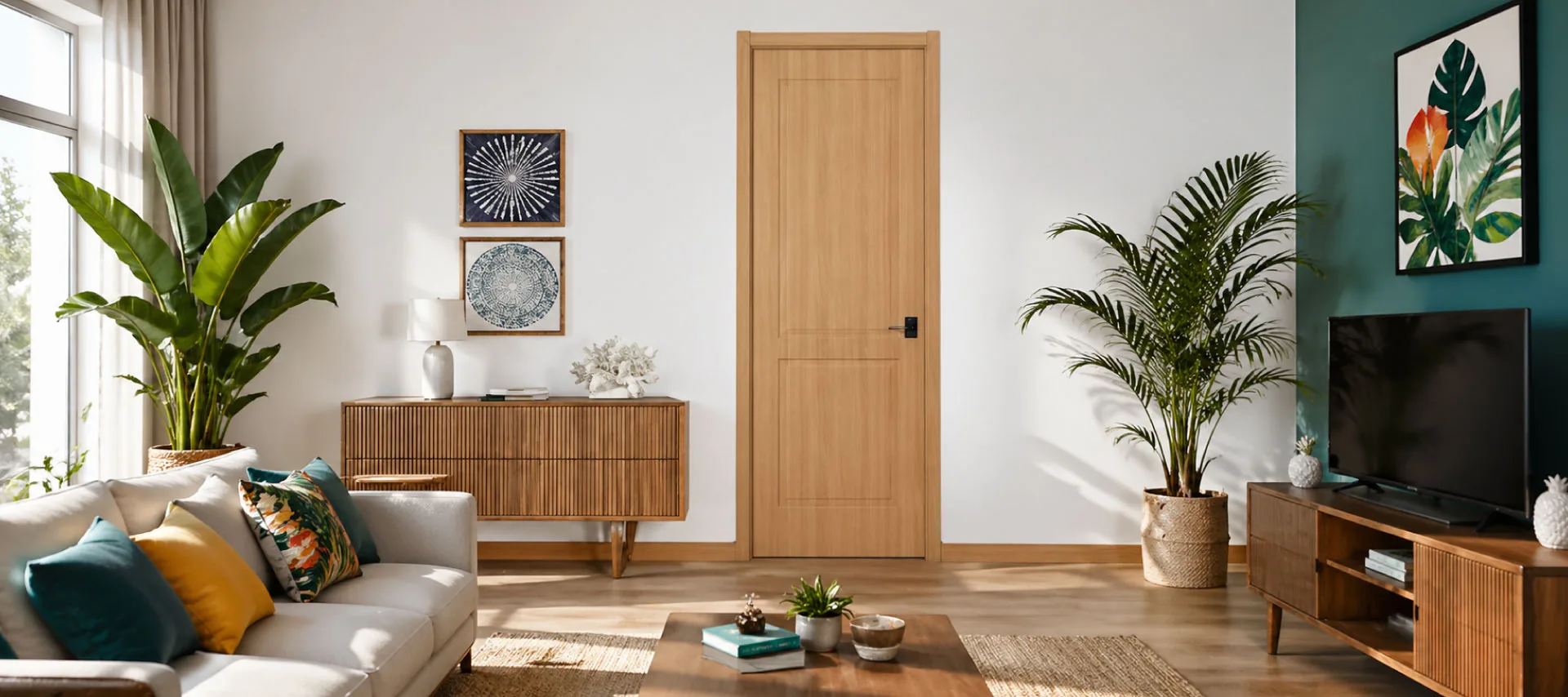
A door is more than just a panel that separates spaces — it is a complete system combining the door leaf, frame, finishes, and installation, all of which influence its look, functionality, and durability. The hardware (ironmongery) — including hinges, handles, and locks — plays a key role in ensuring smooth operation, security, and overall style. Understanding these elements helps homeowners and designers choose internal doors that balance aesthetics, comfort, and long-term performance.
The door frame and jamb
The frame is the structure that holds the door in place, while the jamb is the vertical portion of the frame against which the door closes. Together, they provide stability, security, and smooth operation.
- Material: Frames are usually made of solid wood, engineered wood, or metal, depending on design and durability requirements.
- Design: Frames can be simple for minimalistic interiors or detailed with moldings for a more classic look.
- Installation: Proper alignment ensures the door swings correctly and seals properly, preventing drafts or rattling.
The door panel
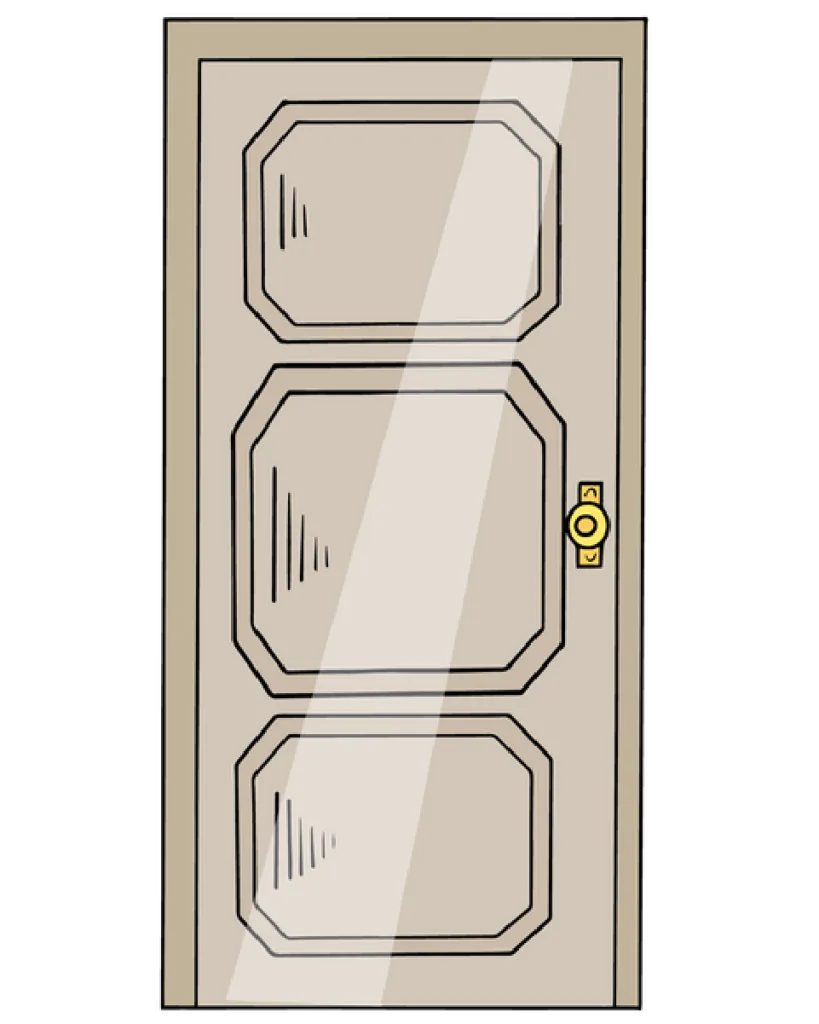
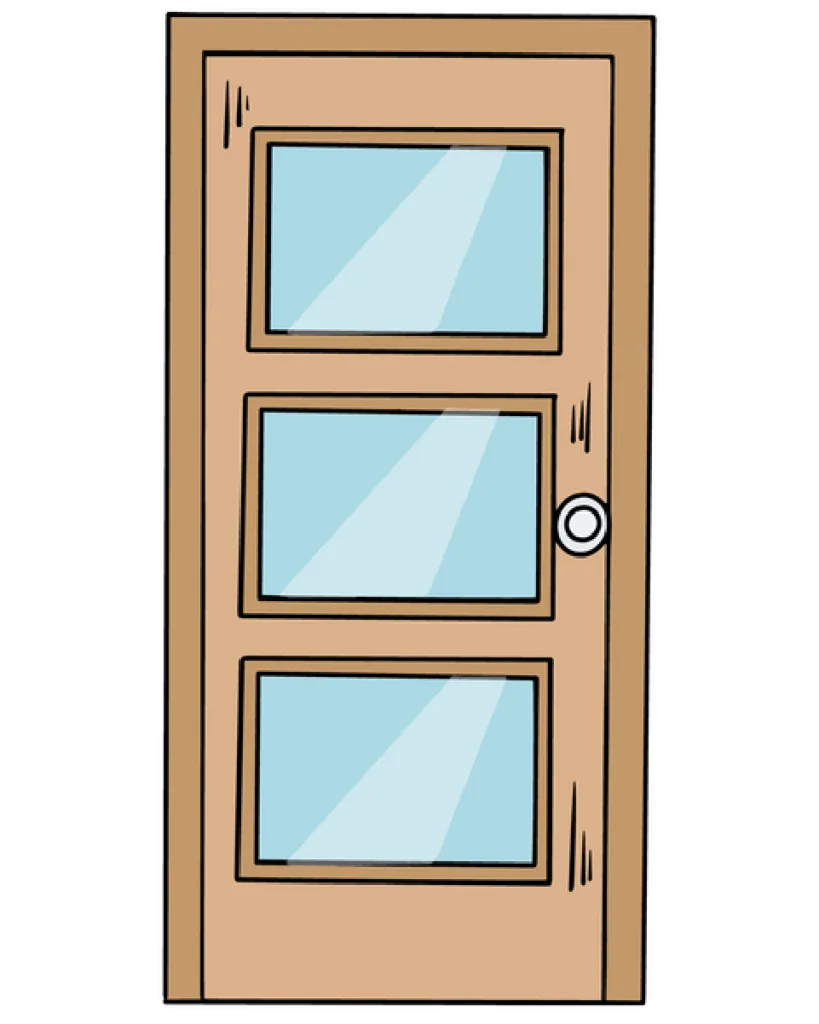
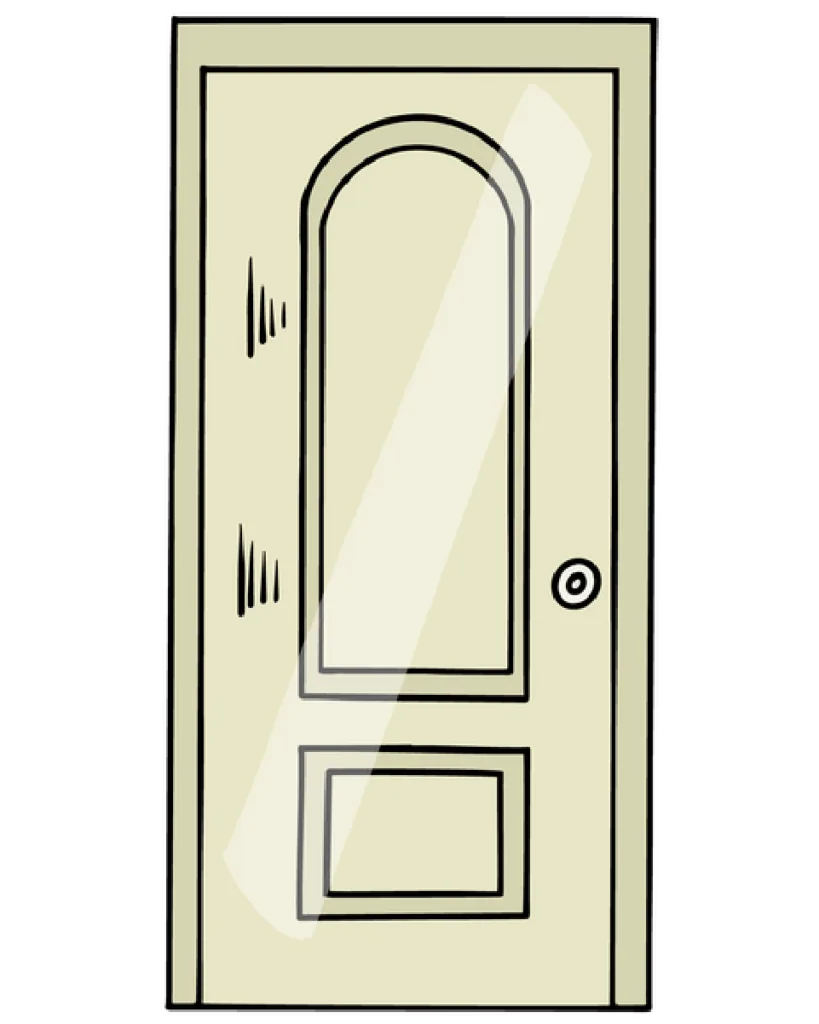
The door panel is the visible part that defines the look and style of the door. Panels can vary in material, construction, and design:
- Solid panels: Provide excellent privacy and sound insulation.
- Glazed panels: Incorporate glass for light transfer and visual interest. Frosted, textured, or clear glass options allow customization.
- Composite panels: Combine materials for durability, moisture resistance, and design versatility.
The choice of panel affects aesthetics, light, and functionality, so it’s important to select one that complements the interior style.
Ironmongery: handles, locks, and hinges
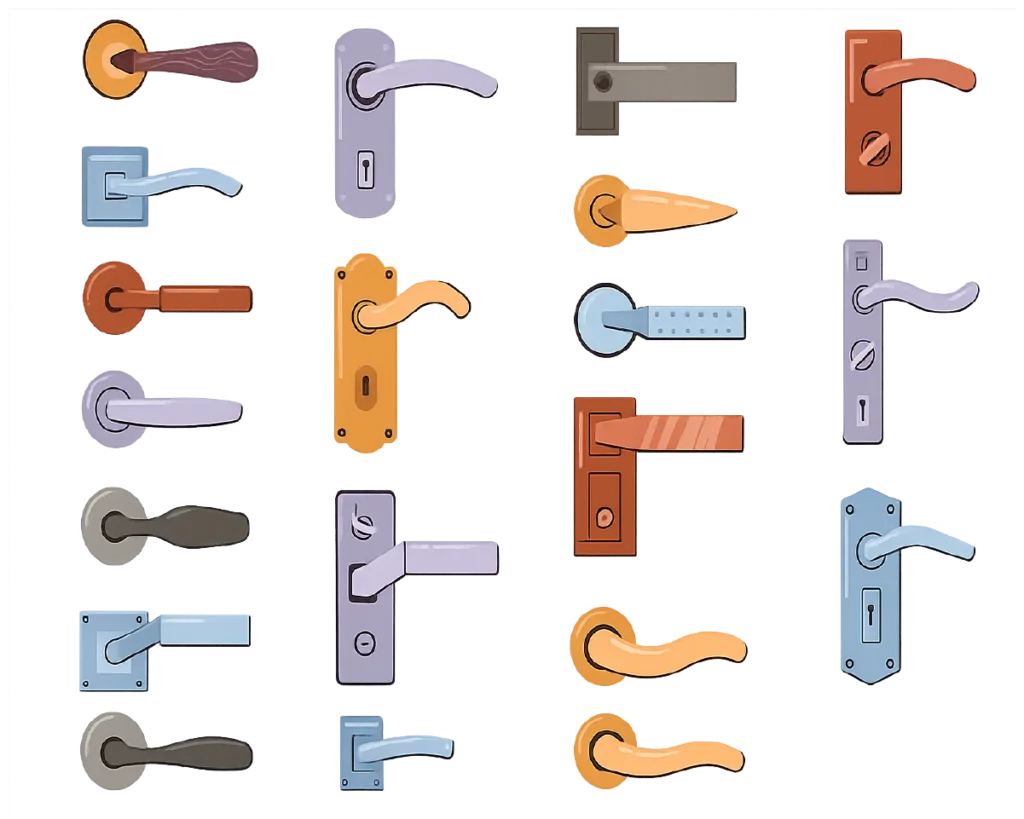
Ironmongery includes all the hardware that allows a door to function properly while adding design accents. Quality hardware improves comfort, security, and visual appeal.
Key components:
- Handles and knobs: Available in a range of finishes (brushed steel, brass, matte black) to suit modern or classic interiors.
- Hinges: Determine the smoothness of door operation. Concealed hinges are popular for minimalistic designs.
- Locks and latches: Provide security and privacy. Options range from simple privacy latches for bedrooms to advanced locking systems.
- Door stops and seals: Protect walls and improve sound insulation and energy efficiency.
Choosing high-quality ironmongery ensures the door remains functional and stylish for years.
Additional design and functional considerations
Other elements of an internal door system contribute to both style and performance:
- Thresholds and sills: Can enhance durability and prevent drafts.
- Mouldings and architraves: Frame the door elegantly and cover installation gaps.
- Finishes: Paint, stain, or laminates add character while protecting the door material.
- Integration with smart systems: Modern doors can incorporate automated locks or access control for convenience.
Each detail, from frame to hardware, impacts the overall experience of using a door — from smooth operation to the tactile feel of handles.
Conclusion
A door is a combination of structure, panel design, and ironmongery, all working together to provide functionality, security, and aesthetic appeal. Understanding its components empowers homeowners and designers to select doors that not only fit a space but also make a statement.
From carefully chosen frames and panels to high-quality handles and hinges, every element contributes to the door’s style, longevity, and performance. Explore Maurema Home’s range of internal doors and ironmongery to find products that combine design excellence with practical functionality
Discover our range of high-quality doors designed to keep your space stylish and functional. Explore our stylish, durable collection online or visit Maurema Home at PinPoint for expert advice and top-rated solutions.