

Lighting has evolved tremendously over the past century. From Thomas Edison’s invention of the incandescent bulb to the rise of compact fluorescent lamps (CFLs) and halogen lights, every step has shaped the way we illuminate our homes and workplaces. Today, light emitting diode (LED) technology stands out as the most advanced option, offering unmatched energy efficiency, lifespan, and flexibility.
Choosing between LED lighting and traditional bulbs is about more than brightness. It’s a decision that impacts electricity bills, environmental sustainability, comfort, and even design possibilities. This guide highlights the key differences so you can make the best choice for your home, office, or outdoor spaces.
Energy efficiency: saving more with less
LEDs are widely recognized for their efficiency. They consume 75–90% less energy than incandescent bulbs and around 50% less than CFLs, leading to lower electricity bills and a smaller carbon footprint.
Incandescent bulbs, by contrast, are notoriously wasteful. Only about 10% of the energy they use produces light—the rest becomes heat. CFLs perform better, using about 70% less energy than incandescents, but still fall short of LED standards. Halogen bulbs are only a slight improvement over incandescents, making them far less attractive in modern energy-conscious households.
Lifespan: fewer replacements, less hassle
Another decisive factor is longevity. LEDs typically last between 25,000 and 50,000 hours, translating into 10 to 15 years of use depending on how often they are switched on.
Incandescent bulbs last around 1,000 hours, requiring frequent and costly replacements. CFLs usually last 8,000 to 10,000 hours, while halogens range from 2,000 to 4,000 hours—still nowhere near the durability of LEDs.
Light quality and versatility
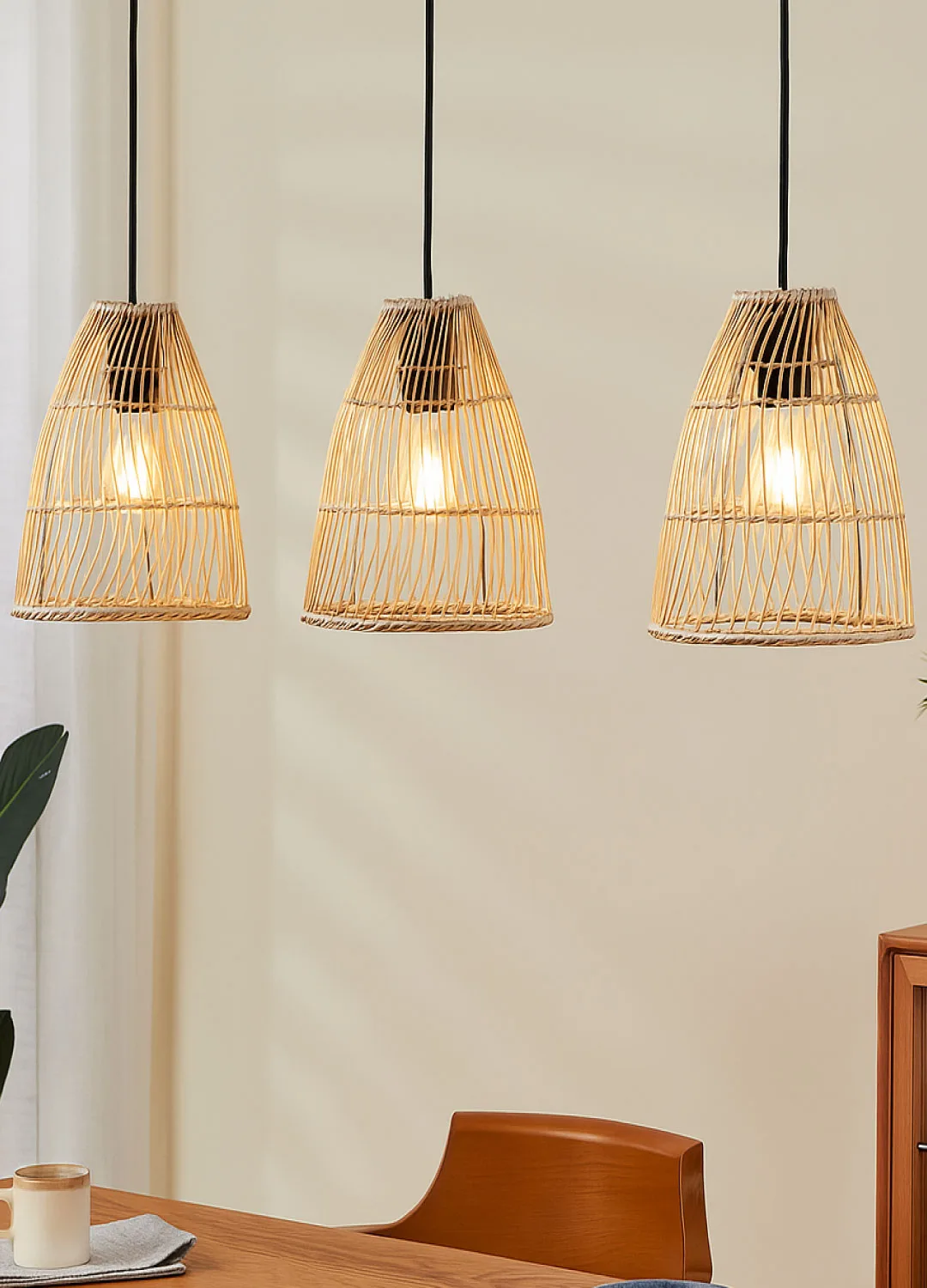
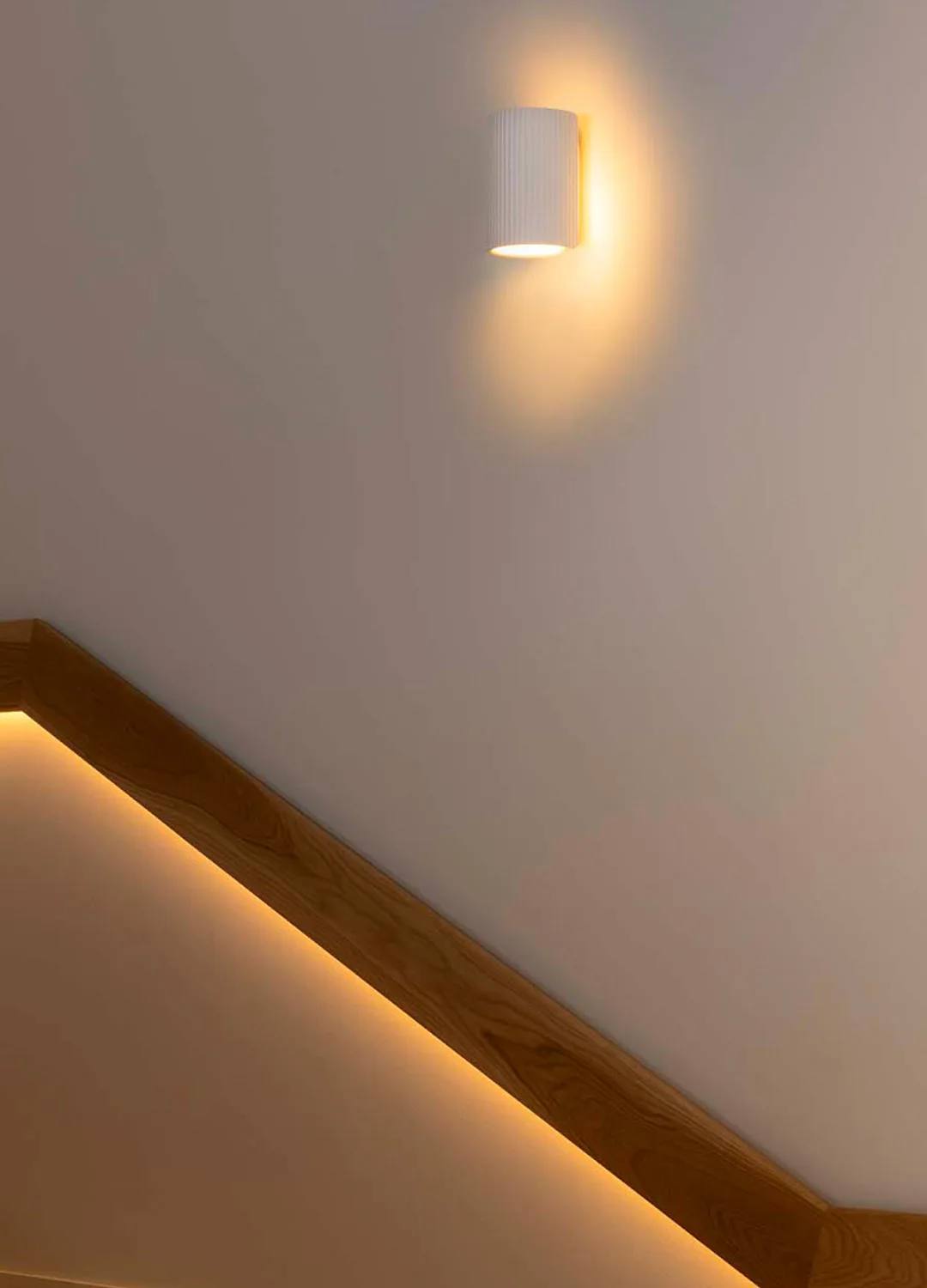
The type of light emitted affects both mood and practicality. LEDs provide a wide spectrum of color temperatures, from warm tones for cozy living rooms to bright daylight for workspaces. They also offer excellent color rendering, making objects appear more natural. Many models are dimmable and compatible with smart systems, which allows for customized lighting control.
Incandescents emit a warm, yellowish glow loved for its coziness, but they lack variety. CFLs offer multiple color options, yet their light often feels harsher. Halogens deliver bright, crisp illumination suitable for tasks, but they lack the adaptability and smart compatibility of LEDs.
Heat emission: comfort and safety
LEDs generate very little heat, making them safer to handle and reducing cooling costs in rooms with multiple light sources.
Incandescent bulbs waste most of their energy as heat, often making rooms uncomfortably warm. CFLs release moderate heat, while halogens run hot enough to cause burns if touched or placed too close to flammable material
Environmental impact
Sustainability matters, and LEDs clearly lead in this category. Their efficiency, long lifespan, and lack of toxic substances such as mercury make them environmentally friendly and easier to recycle.
CFLs, though more efficient than incandescent bulbs, contain mercury and require careful disposal. Incandescents and halogens not only consume more energy but also contribute more waste due to their short lifespans.
Upfront cost vs long-term savings
One of the few drawbacks of LEDs is the higher initial purchase price. However, this cost is quickly offset by energy savings and reduced replacement frequency.
Incandescent bulbs are cheap at first but expensive over time. CFLs and halogens occupy a middle ground, with moderate upfront costs but weaker long-term value compared to LEDs.
Applications and design flexibility
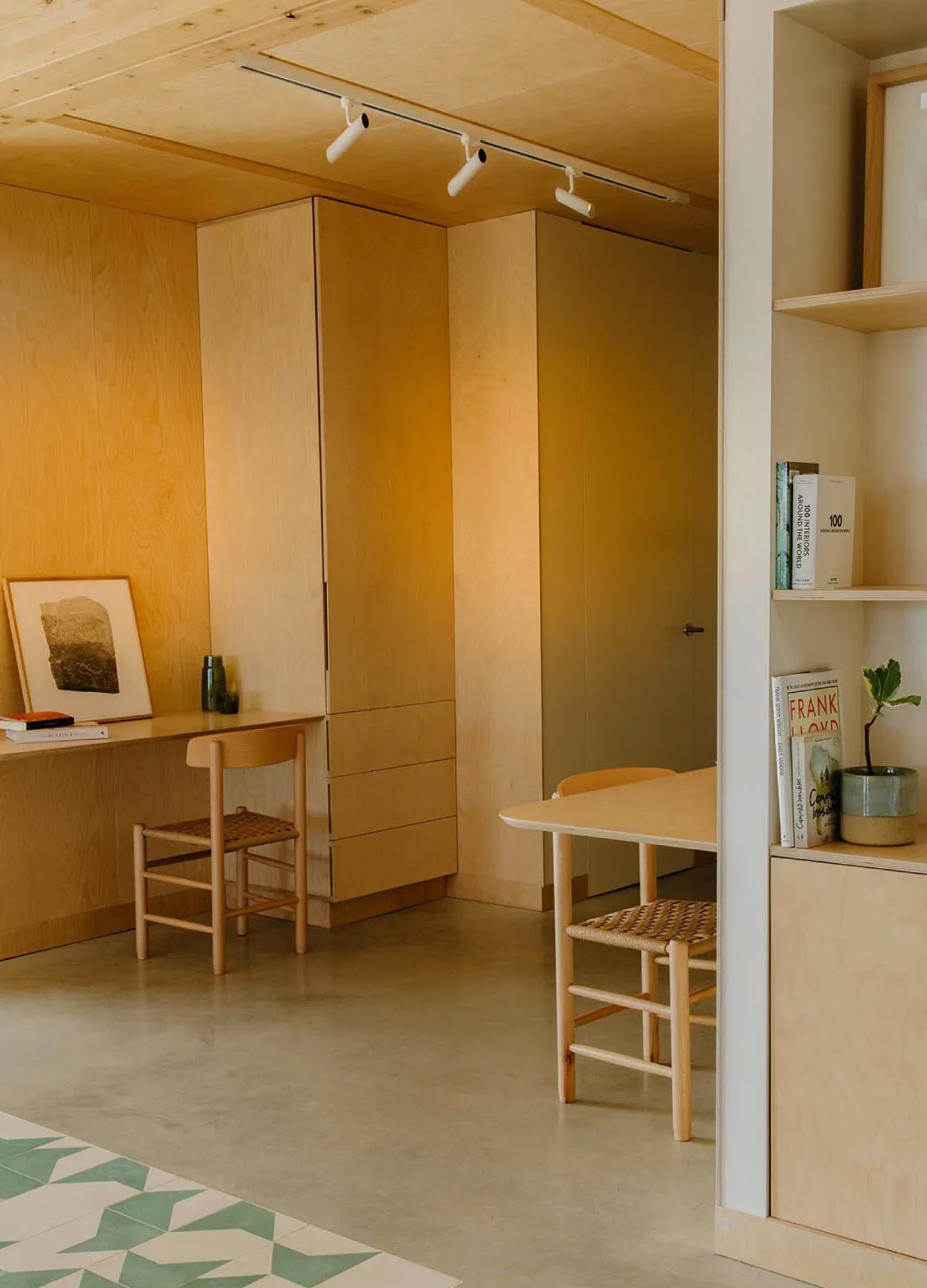
LEDs are highly versatile, available in strip lights, recessed fixtures, outdoor floodlights, and decorative pendants. Their compatibility with smart systems makes them ideal for both modern homes and commercial environments.
Traditional bulbs—incandescent, CFL, and halogen—have far more limited applications and cannot match the adaptability or creative design potential of LED systems.
Conclusion: the smarter lighting choice
When comparing LED lighting vs. traditional bulbs, the advantages are clear. LEDs outperform older technologies in nearly every category: energy efficiency, durability, safety, and sustainability. While the upfront investment may be higher, the long-term rewards in savings, convenience, and eco-friendliness make LEDs the smartest choice for residential, commercial, and industrial settings. For anyone upgrading their space or designing with efficiency in mind, the future of lighting is undeniably LED.
Discover how LED lighting outshines traditional options, offering brighter, smarter, and more energy-efficient illumination. Explore our comprehensive comparison online or visit Maurema Home at PinPoint for expert advice and to choose the perfect lighting solution for your space.