


Installing a wash hand basin may seem straightforward, but it is a critical part of bathroom design that requires careful planning. The right basin, installed properly, enhances both the functionality and aesthetics of your bathroom. Improper installation, however, can lead to leaks, poor drainage, or safety issues. Whether renovating or designing a new bathroom, there are key factors to consider for a successful wash hand basin installation.
Proper location and space planning
Choosing the correct location for your basin is essential. Placement affects accessibility, usability, and the overall look of your bathroom.
Height considerations
The standard height for a wash hand basin is usually between 80 cm and 85 cm from the floor to the top of the basin. Depending on the user, this may vary:
- For families: A lower height (around 75 cm) works well for children.
- For taller individuals: Heights up to 90 cm may improve comfort and reduce back strain.
Ensure there is at least 30 cm of clearance in front of the basin for easy movement. In shared or high-traffic bathrooms, consider how many people will use the space simultaneously.
Accessibility
Position the basin for easy access from the bathroom entrance. Avoid corners or obstacles that could limit usability.
Plumbing considerations
Proper plumbing is essential to avoid leaks and ensure smooth water flow.
Water supply and drainage
Water supply pipes must align with the faucet, and the drain must match the basin’s outlet. When replacing an old basin, check whether existing plumbing fits the new basin. For pedestal or wall-mounted basins, plumbing often needs to be concealed inside the pedestal or wall.
Drainage requirements
Ensure the drainpipe is appropriately sized; standard pipes are usually 40 mm in diameter. Larger basins may require wider pipes. Include a functional overflow system to prevent accidental spills if the drain becomes blocked.
Basin type and fixture compatibility
Selecting the right basin type ensures compatibility with taps and other bathroom fixtures.
Basin types
- Pedestal basins: Require floor space and conceal plumbing inside the pedestal.
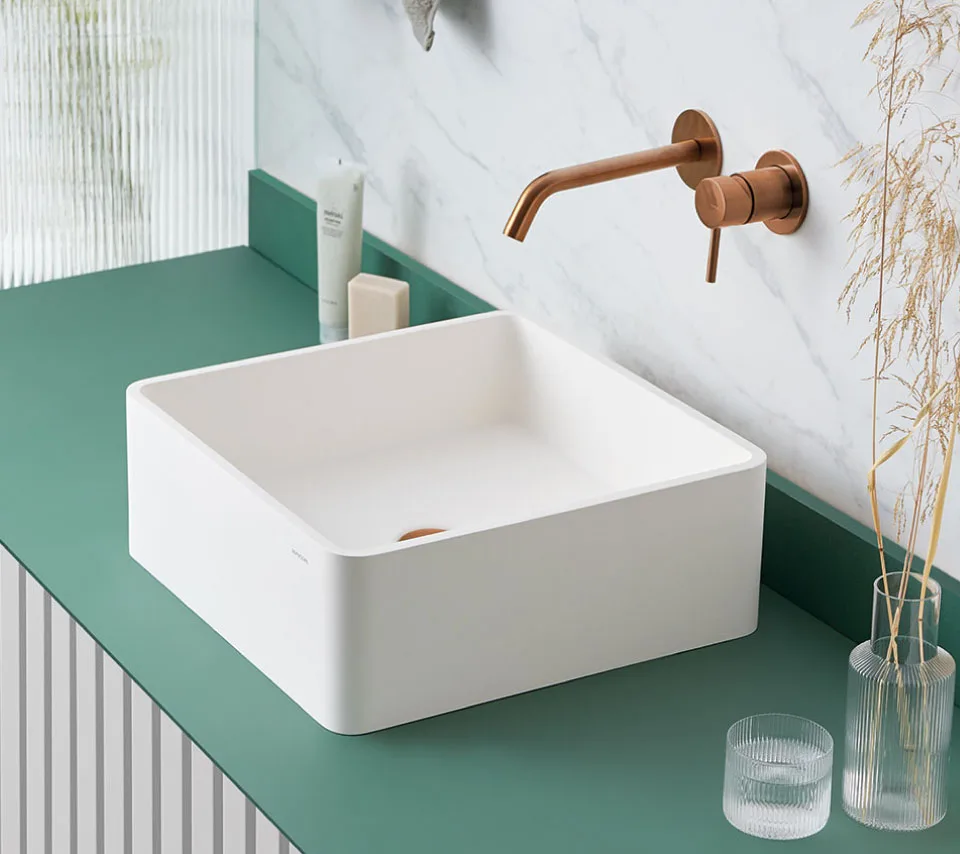
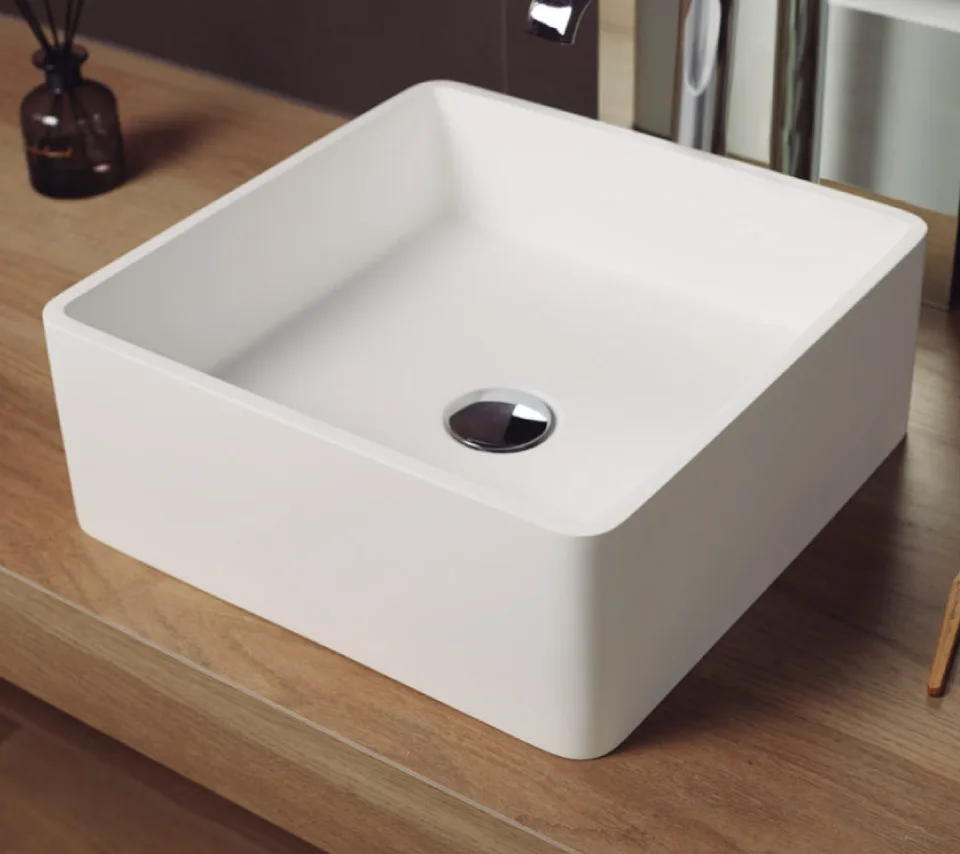
- Countertop basins: Sit on a vanity; ensure the countertop has the correct opening.
- Undermount basins: Installed below the countertop; the countertop must support the basin weight.
- Wall-mounted basins: Mounted directly on the wall; ensure structural strength.
Faucet compatibility
Check if your basin supports single-hole faucets or multiple-hole designs. Choose between traditional hot-and-cold taps or modern single-handle mixers based on your style preference.
Ensuring proper drainage slope
Proper drainage prevents water pooling and overflow.
- The drain should have a slight downward slope to guide water toward the outlet.
- Use a spirit level during installation to ensure the basin is aligned.
- This is particularly important for wall-mounted and countertop basins, which offer less flexibility in slope adjustment.
Stability and support
A securely installed basin is vital for safety and durability.
- Proper mounting: Use suitable fasteners for wall-mounted, pedestal, or countertop basins.
- Reinforced support: Heavy or large basins may require additional reinforcement. Wall-mounted basins should be attached to load-bearing walls.
Aesthetic Considerations
The basin should complement your bathroom’s overall design.
Basin shape and design
Round, square, oval, or rectangular basins can fit various styles—modern, traditional, or minimalist. Compact or wall-mounted options save space in small bathrooms.
Finishing touches
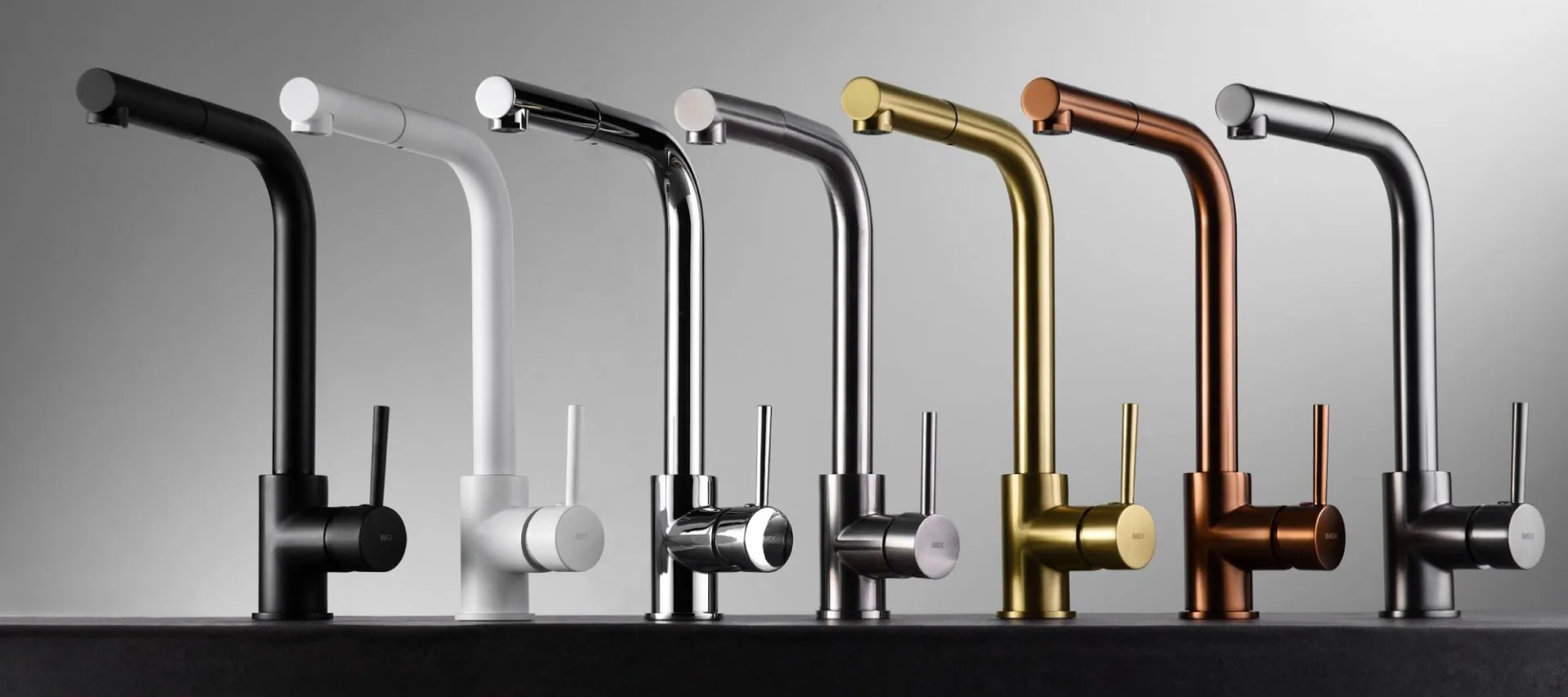
Choose faucets, handles, and accessories that match the basin and the bathroom décor. Chrome or matte black works well for modern styles, while brass or gold suits traditional designs.
Proper sealing and waterproofing
Seal edges where the basin meets the wall or countertop using high-quality silicone. Proper sealing prevents water damage, mold, or mildew.
Testing the installation
Before finishing, test the basin for leaks. Turn on the water supply and check connections around the faucet, drain, and plumbing. Ensure smooth drainage and proper functionality.
Conclusion
Installing a wash hand basin requires careful planning, precise measurements, and an understanding of plumbing and support requirements. Consider location, plumbing compatibility, basin type, faucet selection, drainage, stability, and aesthetics to ensure a successful installation.
With attention to detail, your wash hand basin will enhance both the functionality and style of your bathroom, creating a space that is practical, safe, and visually appealing for years to come.
Explore stylish, durable wash hand basins online or visit Maurema Home at PinPoint for expert guidance and top-quality bathroom solutions.